Exit to daysoft.com



There’s a romance to autumn – crisp mornings, golden leaves, scarves finally pulled from drawers. But for many, this season of mellow fruitfulness brings something far less poetic: itchy, watery, uncomfortable eyes.
Allergies in the autumn are surprisingly common, triggered not just by late-blooming pollen but also by mould spores released from damp leaves and soil. And for contact lens wearers, that combination can make comfort feel elusive. Fortunately, a few simple adjustments – and the right lenses – can make all the difference.
In this article, we explore how autumn allergies affect your eyes, share practical tips to soothe irritation and explain why switching to daily disposable contact lenses can help.

Understanding autumn allergies
While spring pollen tends to grab the headlines, autumn has its own subtle yet relentless allergy season. Ragweed and nettle pollen linger in the cooler months, while mould spores released from damp, decaying leaves and soil can circulate freely.
Dust stirred up from heating systems as homes warm after summer adds another layer of irritation. All of these environmental triggers target the delicate conjunctiva – the thin, transparent membrane covering the white of the eye and inner eyelids – making it hyper-sensitive and reactive.
The result? Redness, itching, tearing and a scratchy or burning sensation that can make wearing contact lenses uncomfortable. Eyes may feel gritty, as though sand has blown in from the outdoors, or watery, overcompensating for the irritation.
Even subtle changes, such as a fleeting twitch or mild swelling, can signal that allergens are at work. For contact lens wearers, these reactions can quickly turn a normally effortless daily routine into a frustrating challenge, making lenses feel dry, foggy or prone to slipping.
Understanding triggers: the first step to relief
The first step in keeping autumn allergies under control is identifying the specific culprits. Once you know what’s irritating your eyes, you can take gentle but effective action and adjust your environment and lens care. Even small routine changes can make a big difference, helping you wear your contact lenses comfortably throughout the season.
Common autumn allergens to watch for:
-
Pollen from ragweed, nettles and other plants. Drifting in from hedgerows and fields, pollen can cling to lashes and contact lenses, triggering redness and itchiness.
-
Microscopic mould spores. Damp leaves, compost heaps and shaded corners of the garden release spores that irritate the eyes and nasal passages.
-
Dust and household allergens. Indoor heating, vents and disturbed surfaces can stir up dust particles that cling to lenses and inflame sensitive eyes.
-
Other seasonal debris. Hay, grasses and fallen leaves may carry tiny particles that aggravate the conjunctiva, causing tearing or discomfort.
Simple strategies to ease discomfort
By understanding what’s causing irritation, you can apply targeted strategies to keep autumn allergies under control and enjoy crisp, clear vision all season.
Keep windows closed on high pollen or windy days
Preventing allergens from entering your home is the simplest and most effective way to reduce exposure. If the weather allows, enjoy fresh air in the early morning or after rainfall, when pollen counts are lower.
Use an air purifier indoors
A high-efficiency particulate air (HEPA) filter can capture fine particles, including pollen, mould spores and dust, keeping the indoor air cleaner and easier on sensitive eyes.
Wash your face and eyelids after being outdoors
A quick rinse removes pollen and reduces irritation. Consider a gentle eyelid cleanser or hypoallergenic wipe to remove any lingering allergens from the lashes and eyelid margins.
Clean your nasal passages with saline spray
Flushing allergens away from the nose prevents them from reaching the eyes, reducing the likelihood of irritation and watery eyes.
Avoid rubbing your eyes
Tempting as it may be, rubbing increases inflammation and can make contact lenses uncomfortable or even scratch the cornea. Instead, use lubricating or antihistamine eye drops as recommended by your eye-care professional.
Adjust your outdoor activities
Check local pollen forecasts and try to limit outdoor exposure during peak pollen times. Wearing wraparound sunglasses can also act as a barrier against airborne particles.
Mind your skin and hair
Pollen can cling to clothing, hair and even makeup. Showering and changing clothes after spending time outside can prevent allergens from transferring to your eyes later.
Consider allergy-compatible eye care products
If symptoms persist, your eyecare provider may recommend antihistamines or contact lens-compatible eye drops containing mast-cell stabilisers. These help calm allergic reactions without compromising lens comfort. Always follow professional advice when using medicated drops.
Why daily disposable lenses make sense
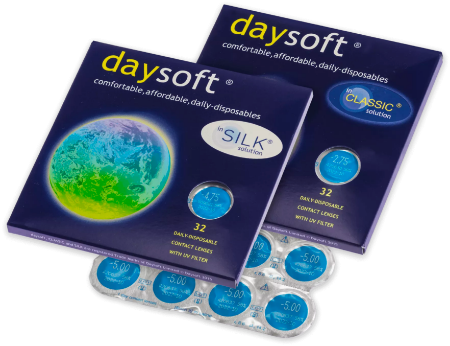
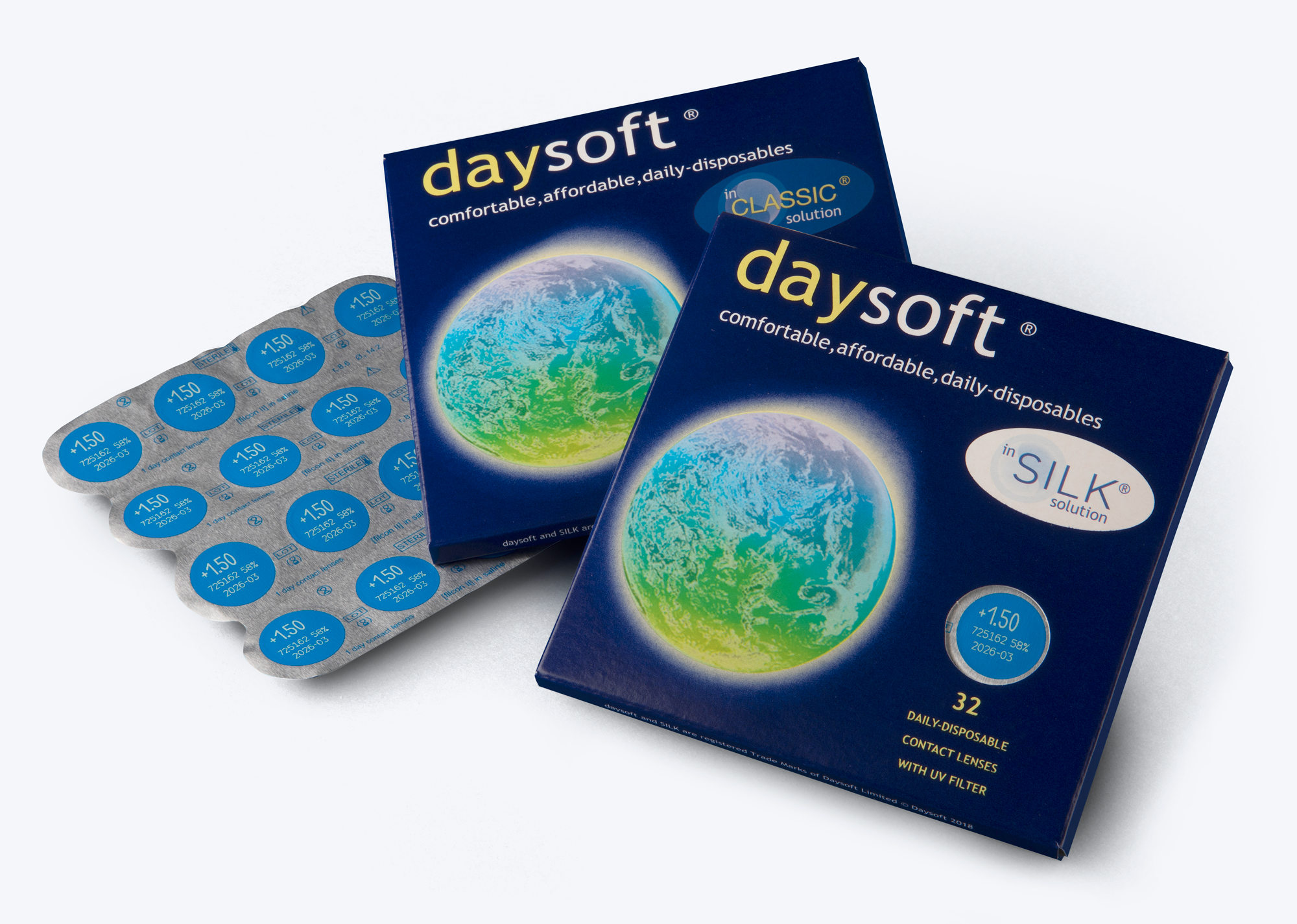
When allergies strike, daily disposable contact lenses can be a real game-changer. Because they are fresh each day, there’s no build-up of allergens, proteins or environmental particles that can cling to lenses worn multiple times. This simple change can make mornings, commutes and outdoor autumn walks far more comfortable. daysoft daily disposable contact lenses are designed with comfort and eye health in mind:
-
High oxygen permeability: allows your eyes to breathe naturally, reducing redness and irritation even during high pollen days.
-
Moisture retention technology: keeps lenses hydrated, so eyes feel fresh from morning to night.
-
Hygienic by design: daily replacement eliminates the risk of allergen accumulation that can occur with weekly or monthly lenses.
-
Clearer vision: less debris and irritation means sharper, steadier sight throughout the day.
-
Simple and convenient: no cleaning solutions or storage cases, perfect for busy lifestyles or travel.
Designed by founder Ron Hamilton, an optical engineer and innovator, daysoft lenses were created with a simple goal: to provide a high-quality, hygienic contact lens that protects eye health while staying accessible and sustainable.Intrigued? Learn more about the inventor of daily disposables.
Creating calm for your eyes
Autumn allergies don’t have to dictate how you see the season. With thoughtful eye care and the right lenses, you can enjoy long walks, changing colours and cosy evenings without the constant itch or irritation. Think of it as a small act of seasonal self-care – keeping your vision clear and your comfort intact as the world shifts into its richest hues.
Try daysoft to combat autumn allergies
If you struggle with autumn allergies, now’s the perfect time to experience the clarity and comfort of daysoft daily disposable contact lenses. Visit daysoft.com to find your ideal fit and enjoy every season with fresher, happier eyes.